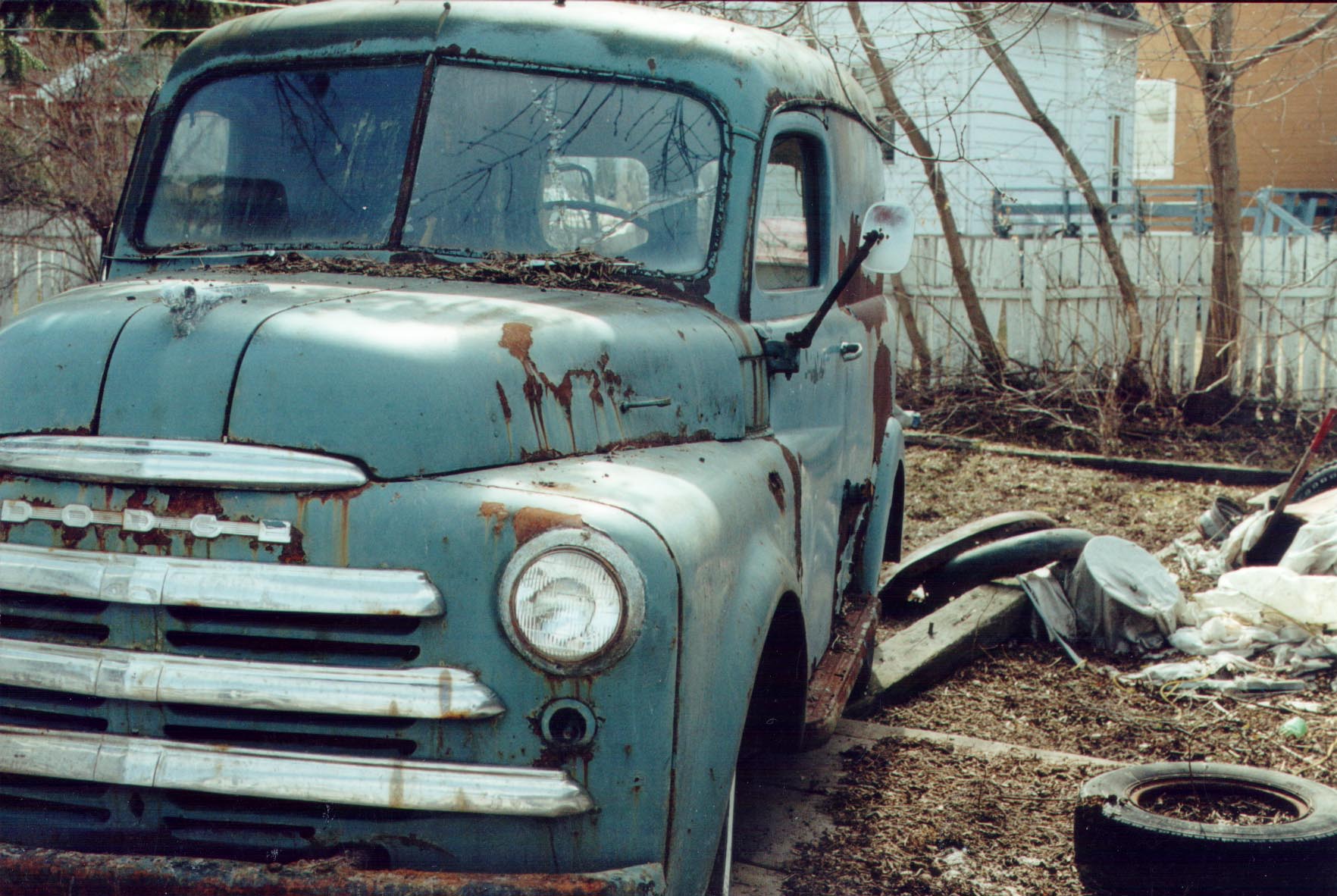
Stage 1
The first day we went to see the 1950 Dodge Panel Truck.

Residential, commercial, industrial and home automation services across Ontario, backed by more than a century of Ford Electric history.
The idea was to restore a vintage panel truck as a way of showing how much electrical work and technology have changed since Charlie Ford opened Ford Electric in 1919. This is the restoration story, from the day the 1950 Dodge was found in a field to the finished truck.
The first day we went to see the 1950 Dodge Panel Truck.
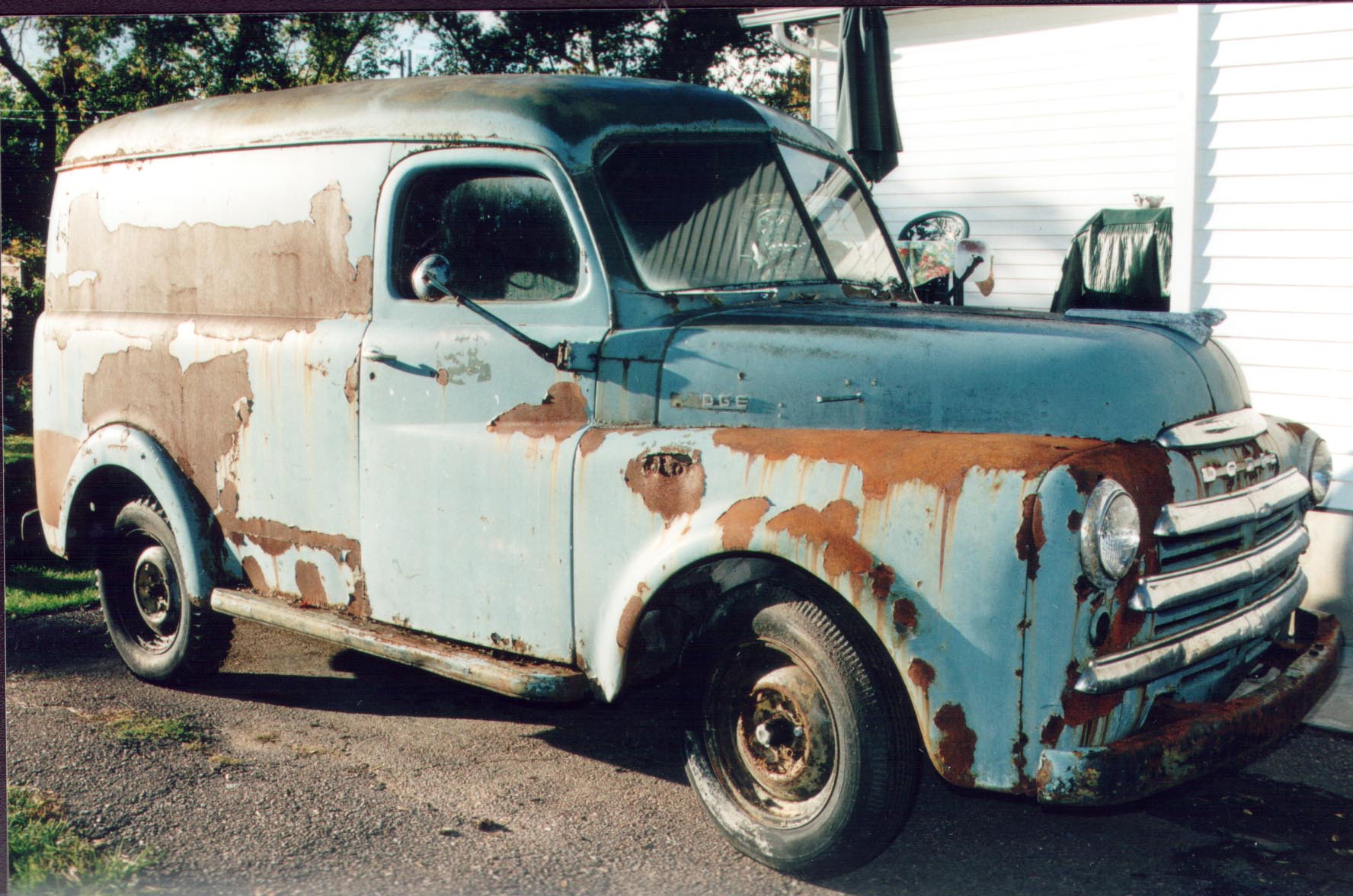
After we managed to drag the truck out of the field where it had been sitting.
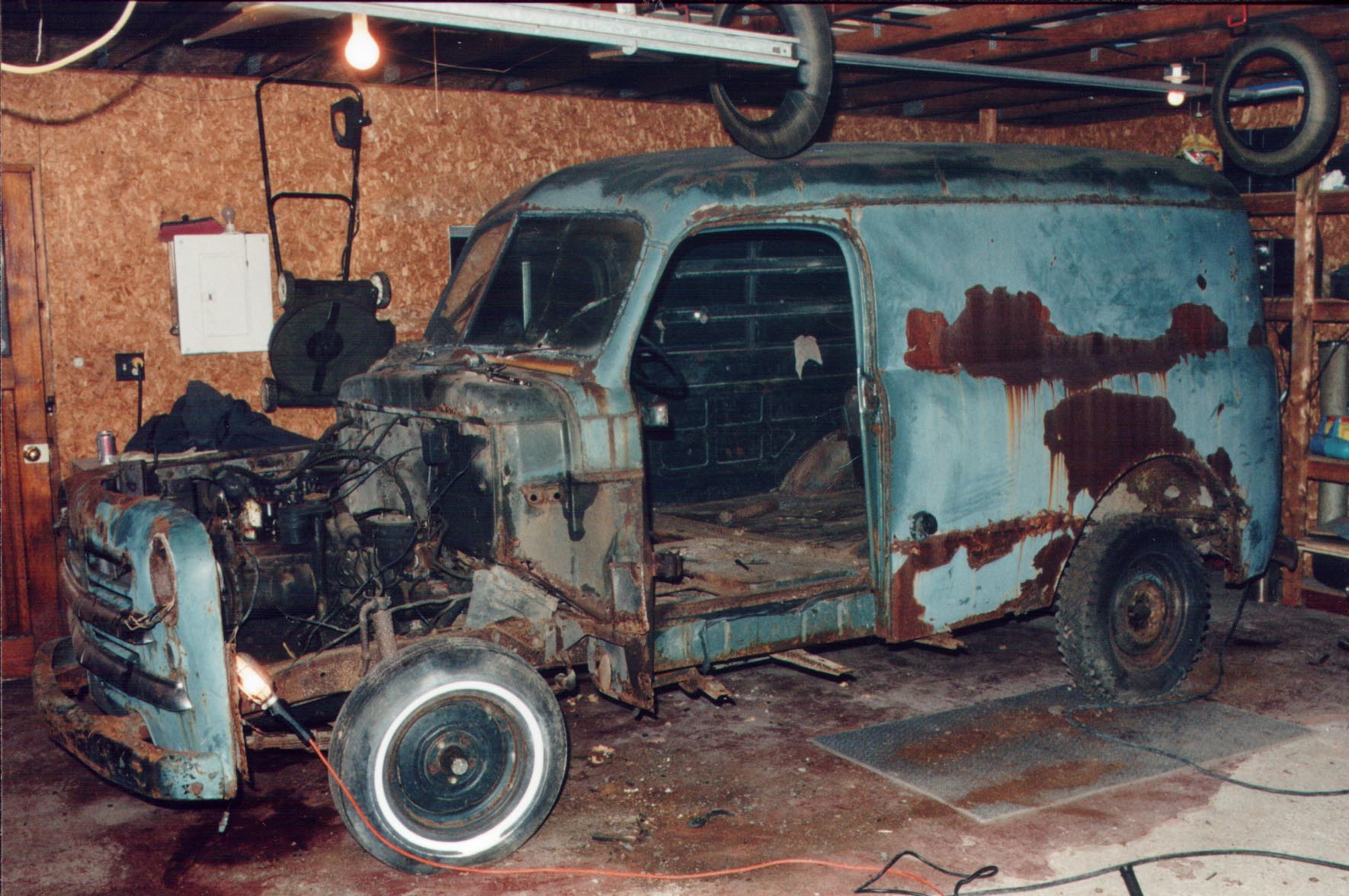
The restoration begins with the front end starting to come apart.
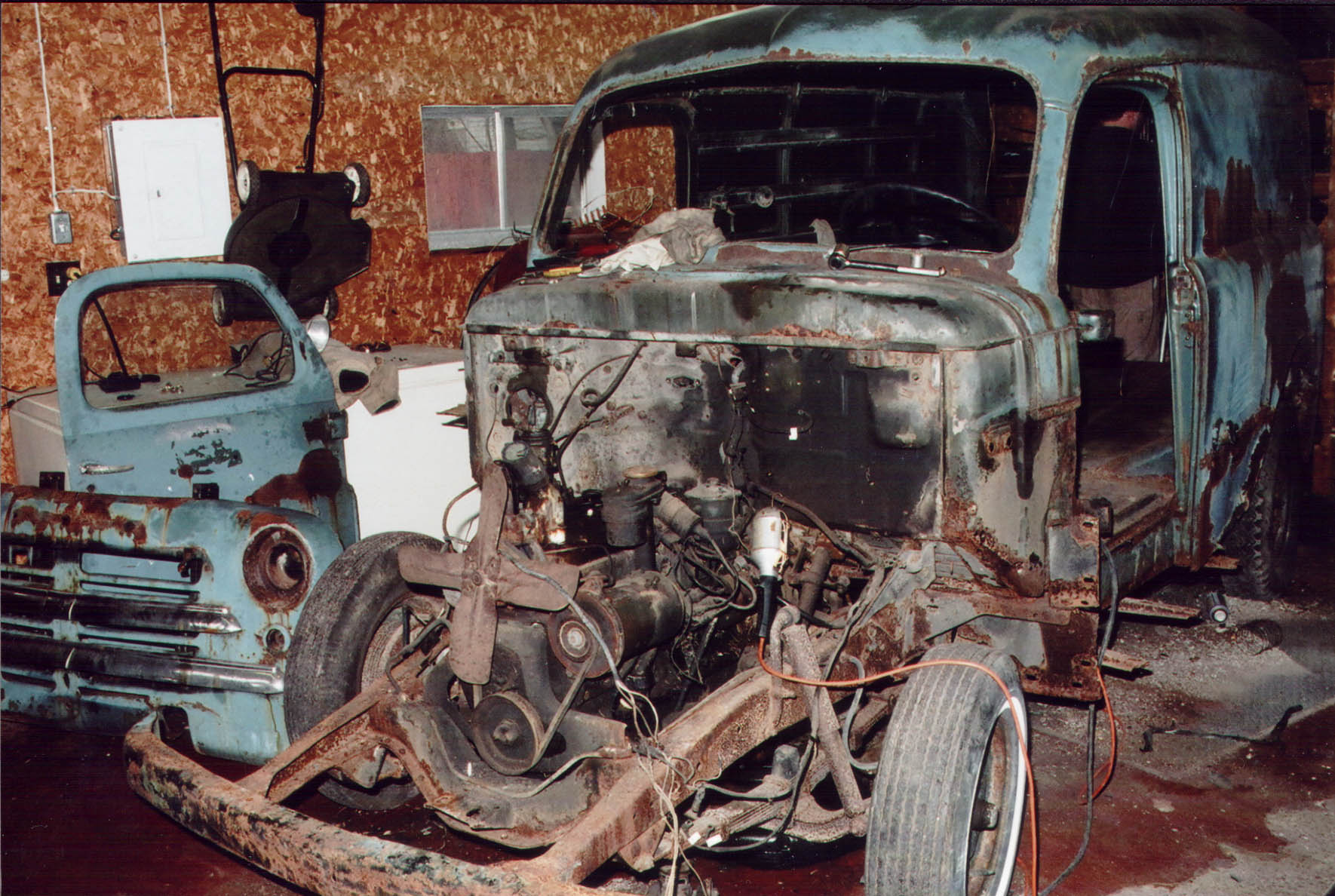
Most of the front end is removed as we prepare to separate the body.
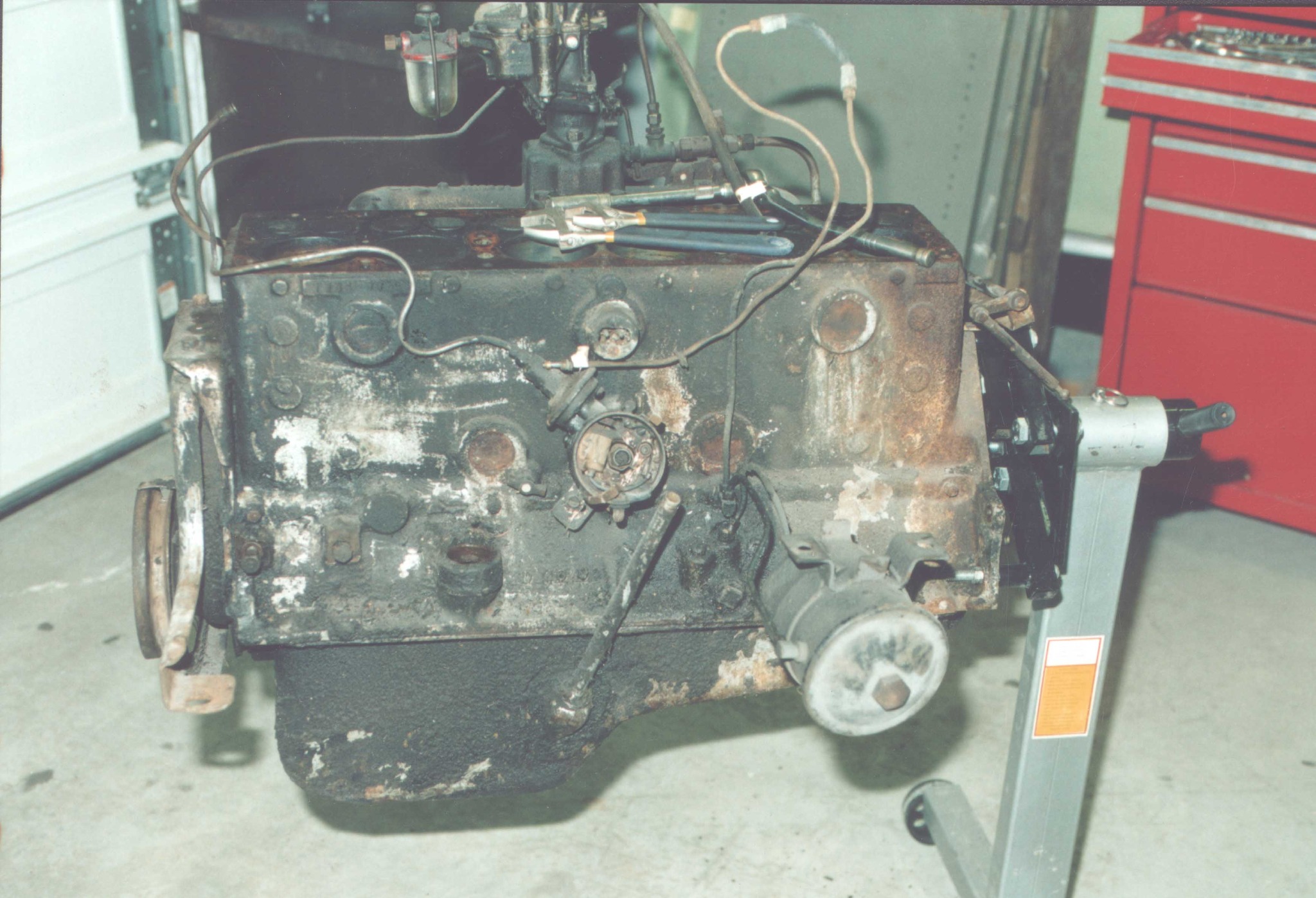
Attention turns to dismantling the 218 flathead six-cylinder engine.
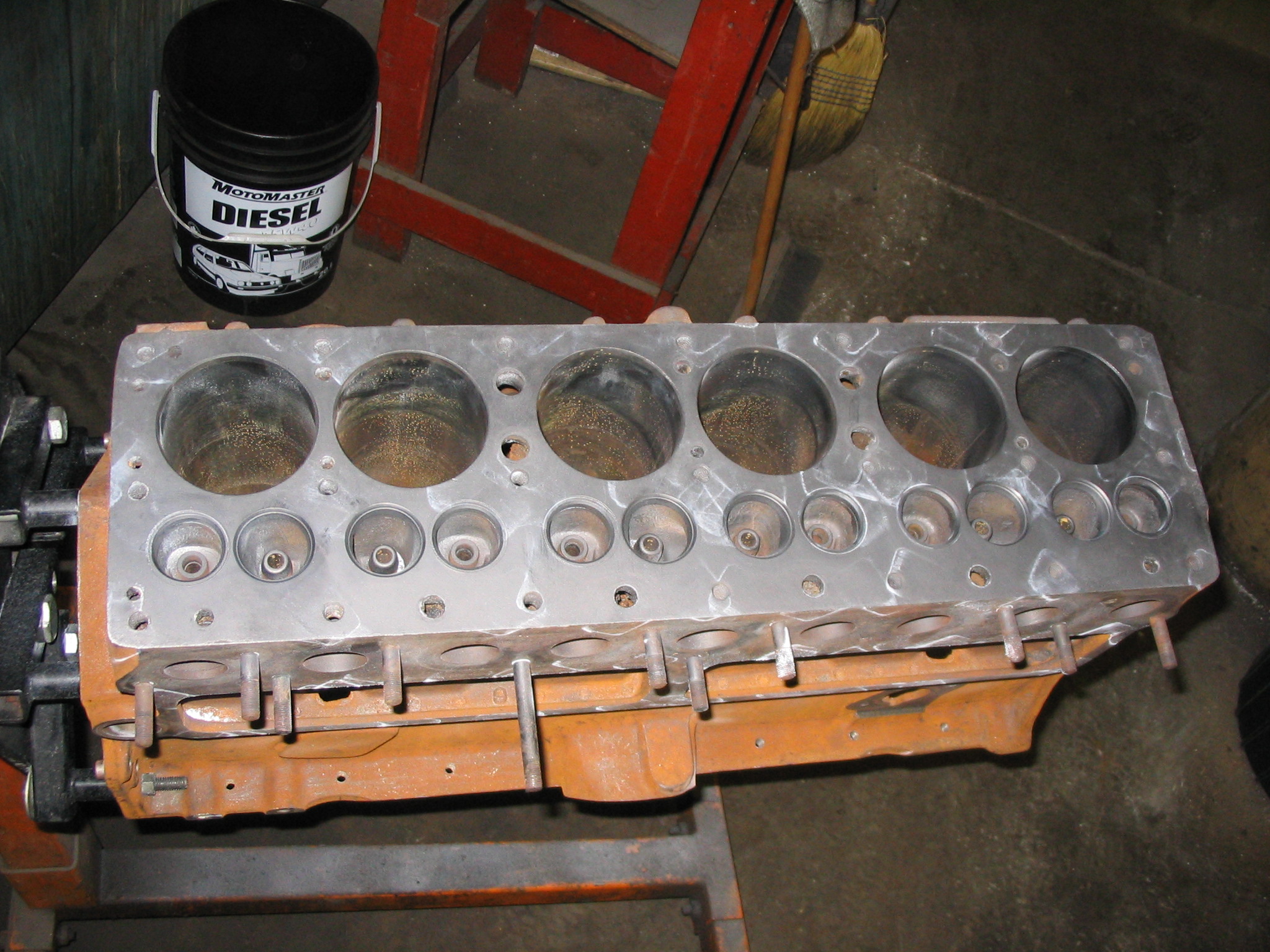
After decades of dirt and grease are cleaned away, we can see what we have to work with.
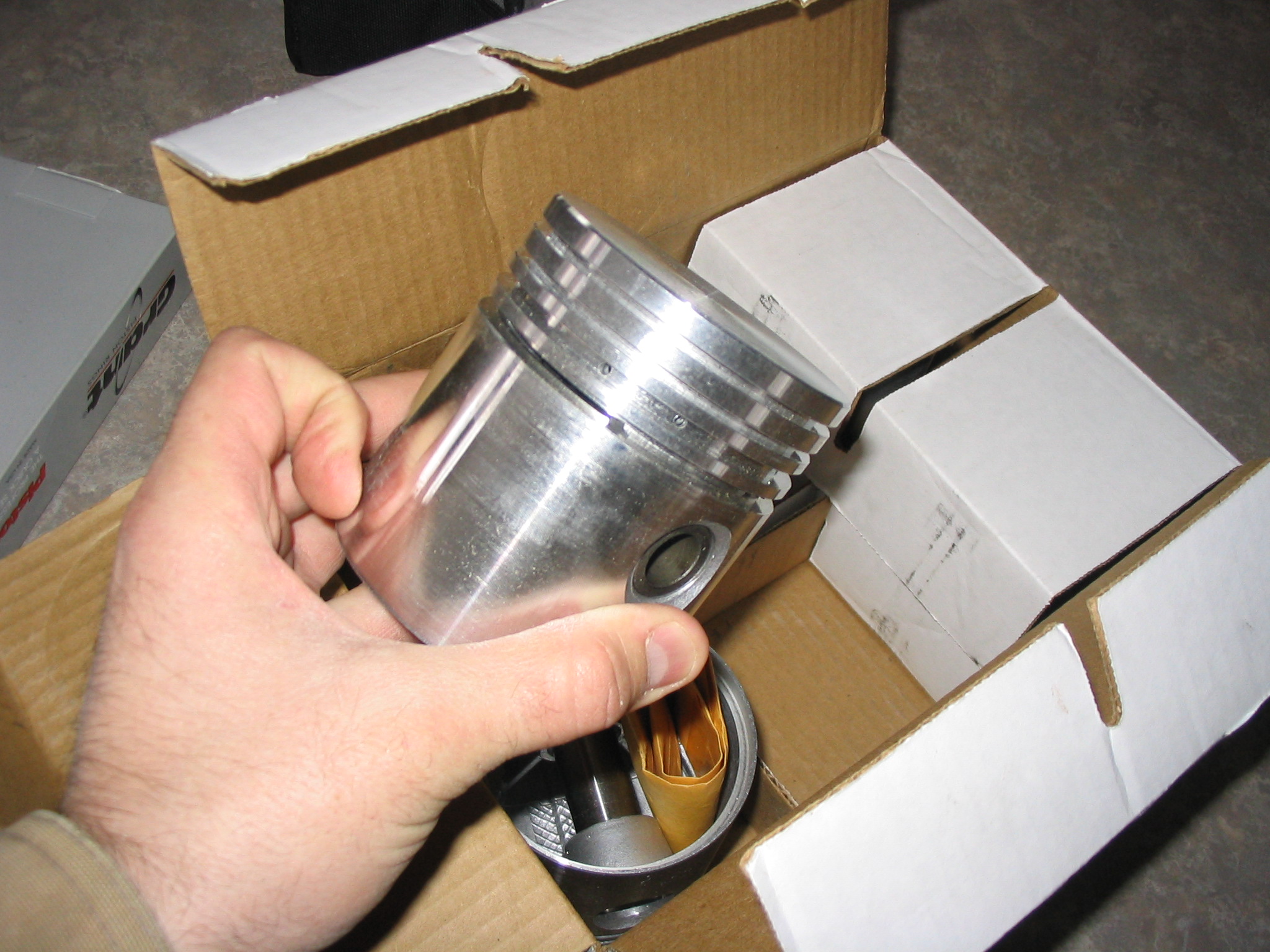
The truck turned out to be military-spec with an unusual bore and stroke; replacement pistons were eventually found in Texas.
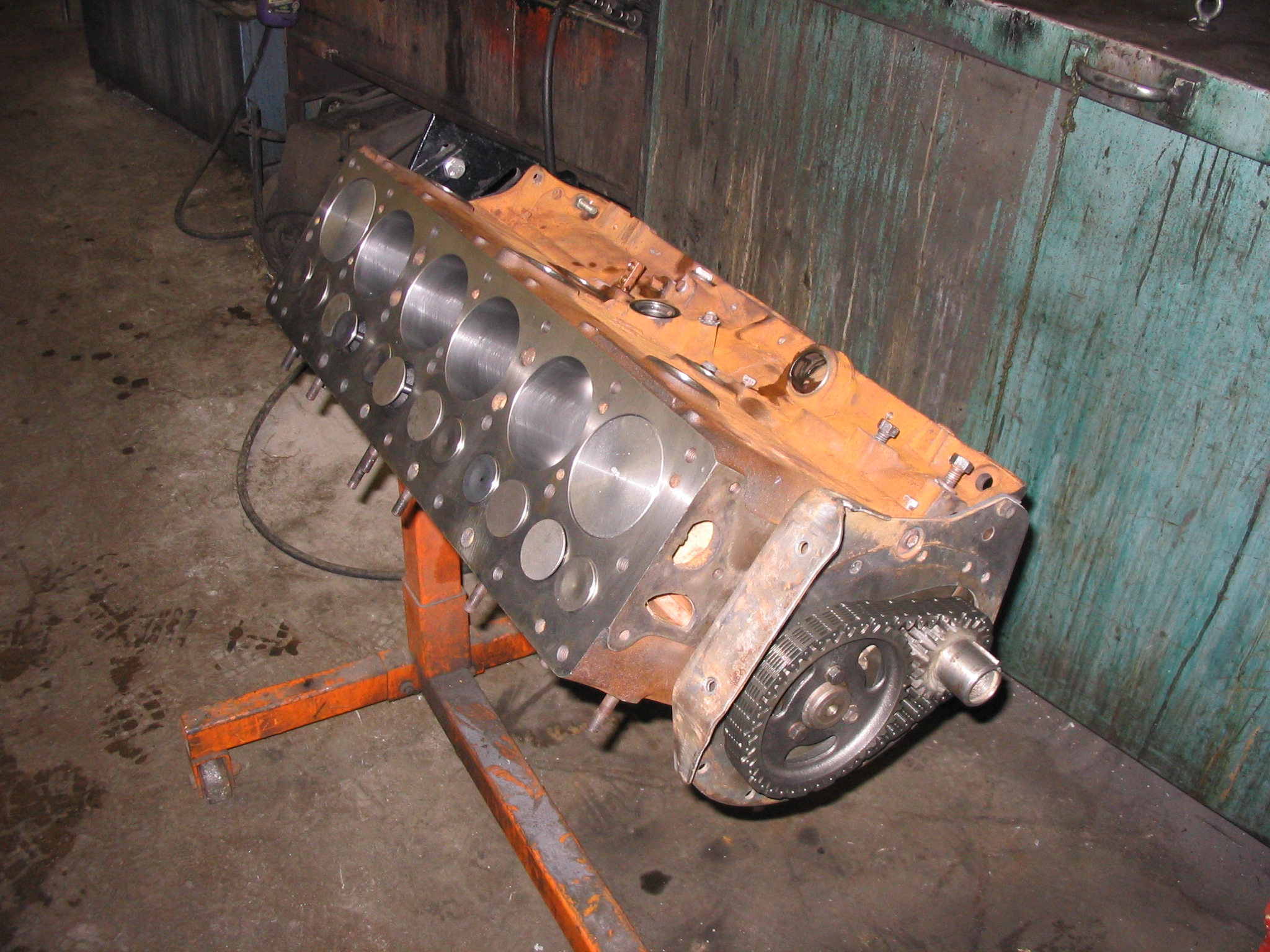
The engine goes back together with new pistons, valve seats, valves, timing chain, crank and cam.
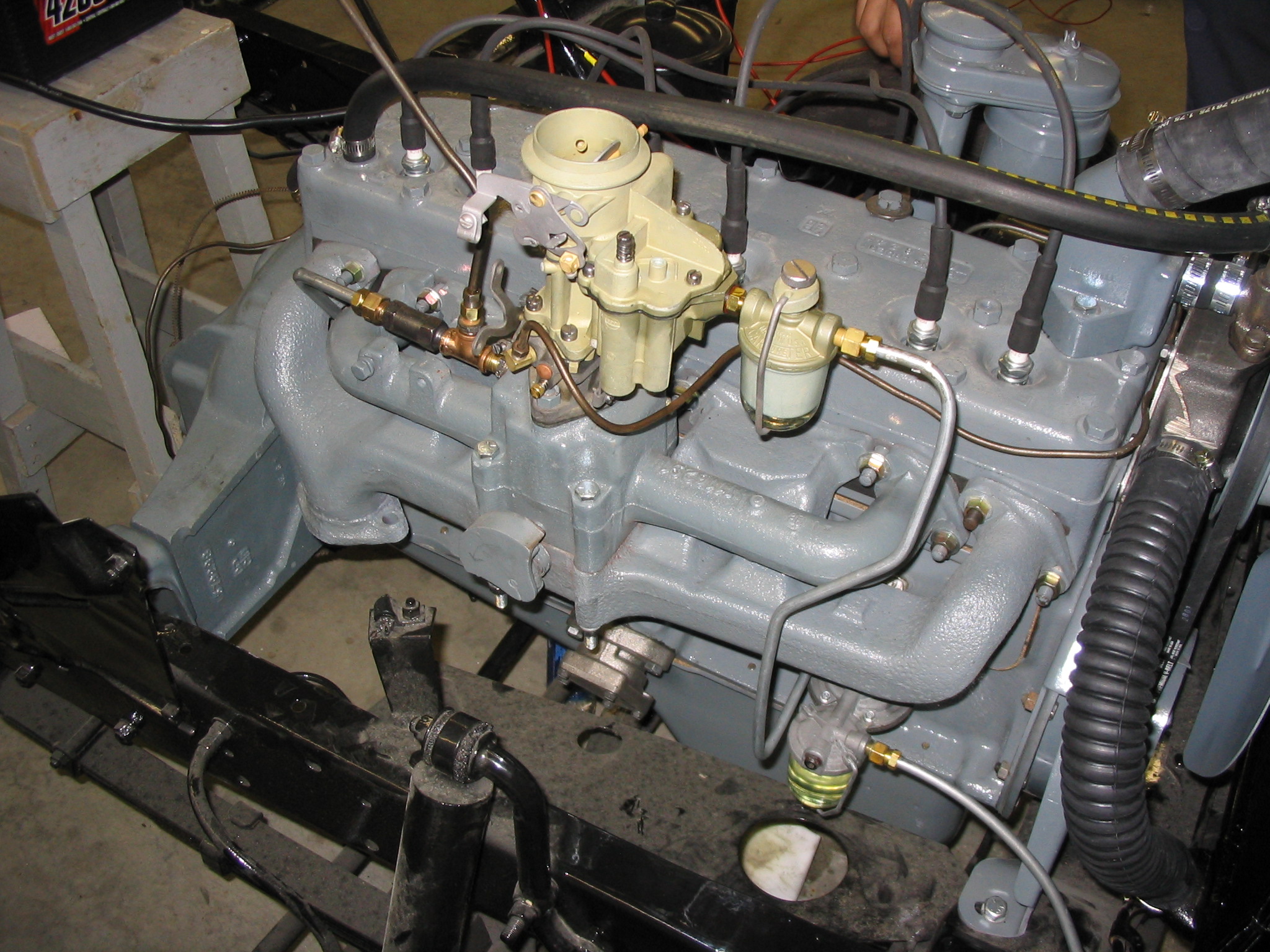
With fresh paint on the engine block, it is lowered onto the restored black frame and reassembly begins.
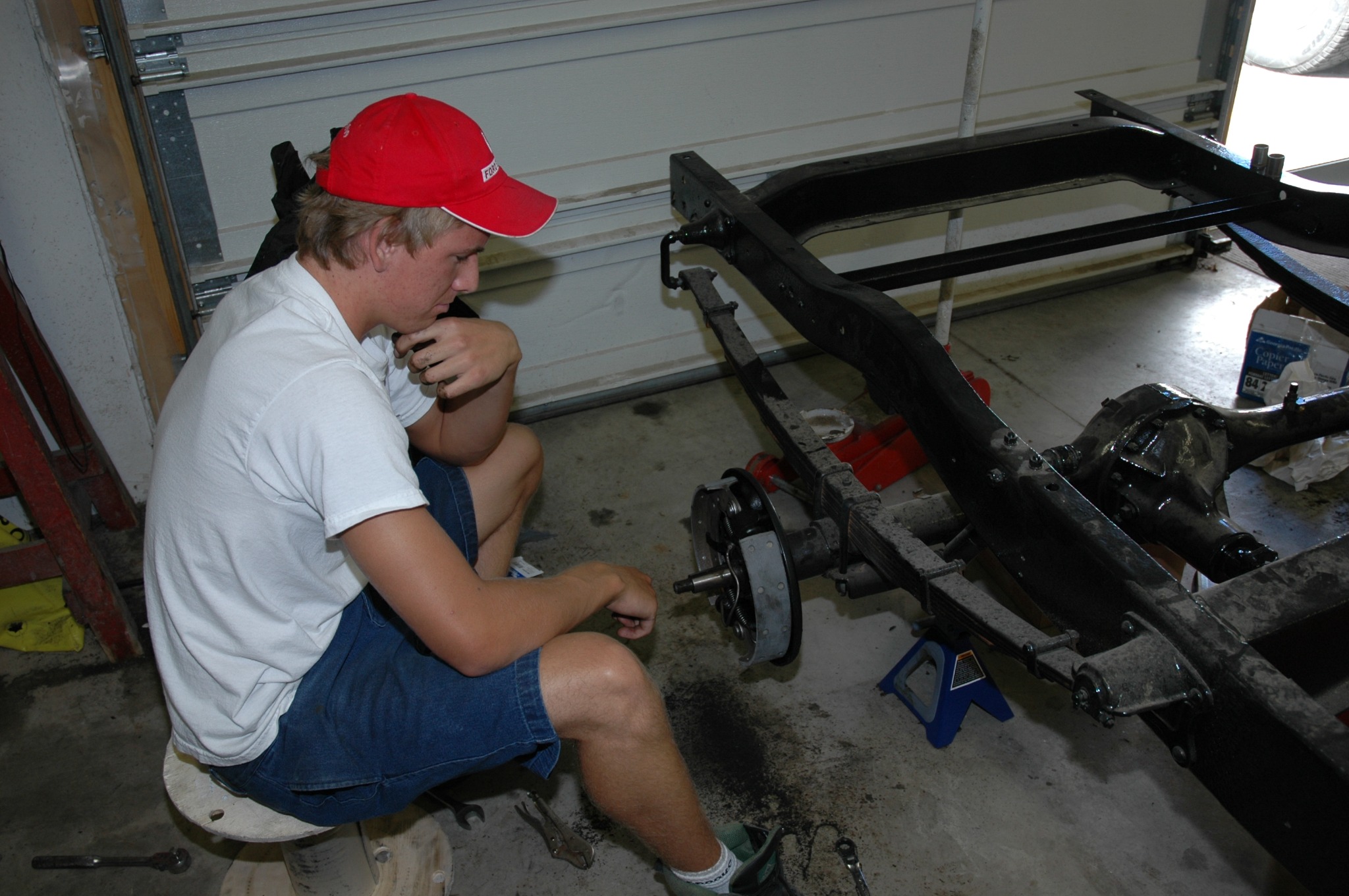
Work continues on the rear brakes, clutch and pressure plate as the chassis is rebuilt.
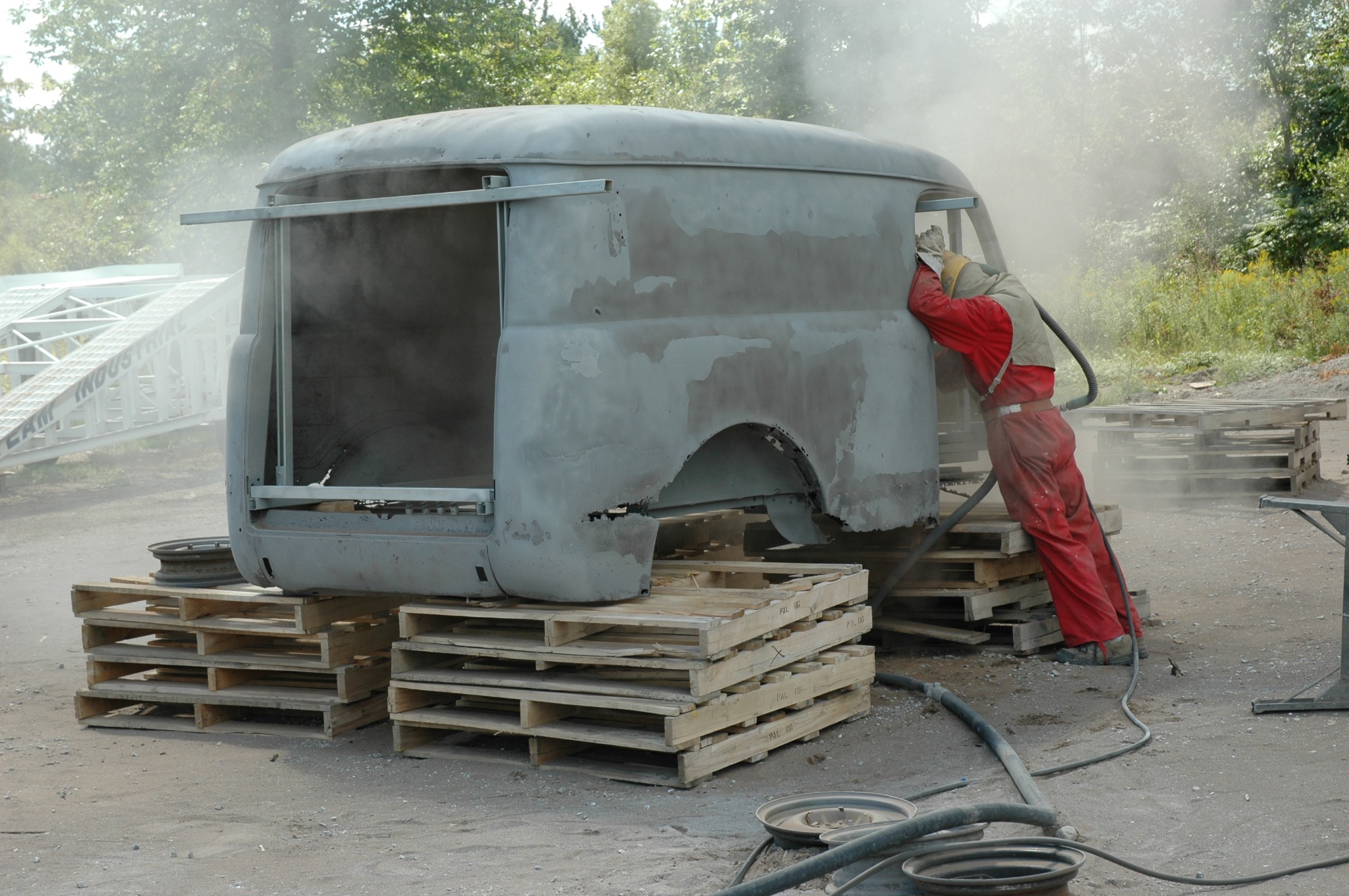
The main body is sandblasted, revealing just how much body work lies ahead.
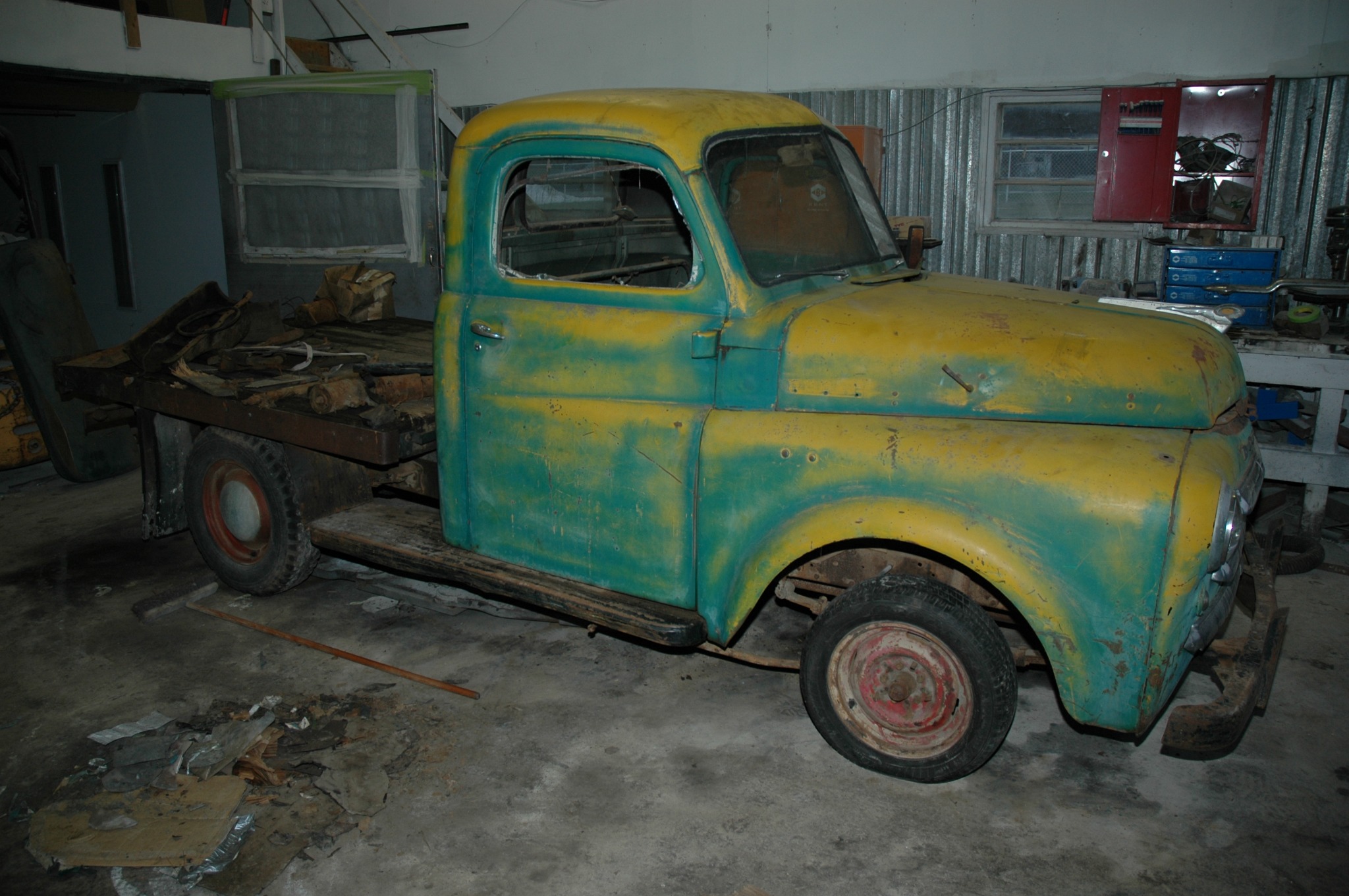
A 1948 Dodge donor truck found in California supplies the front fender, hood, grille and other body pieces.
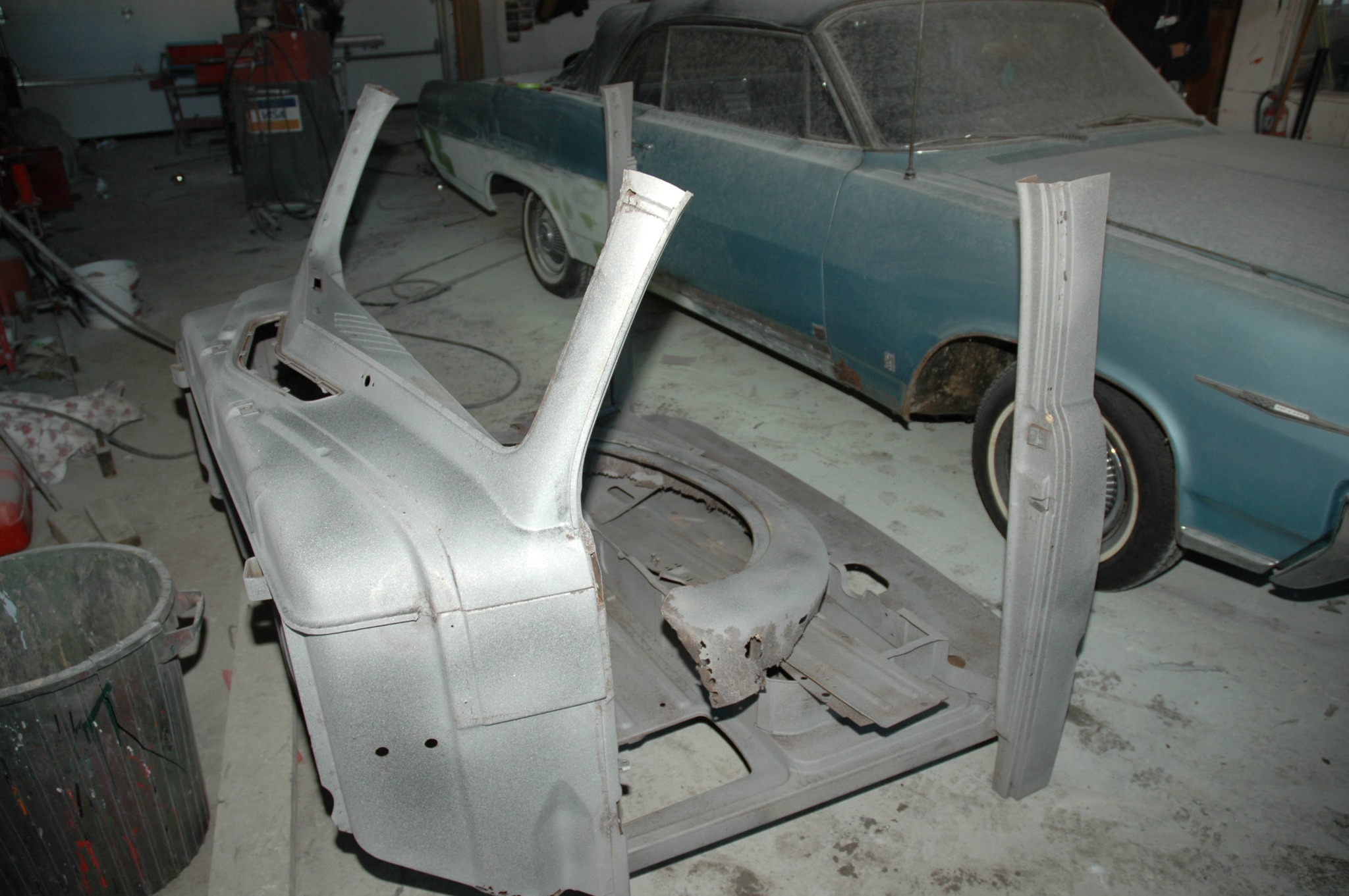
The 1948 donor cab is prepared to become part of the 1950 panel-truck project.
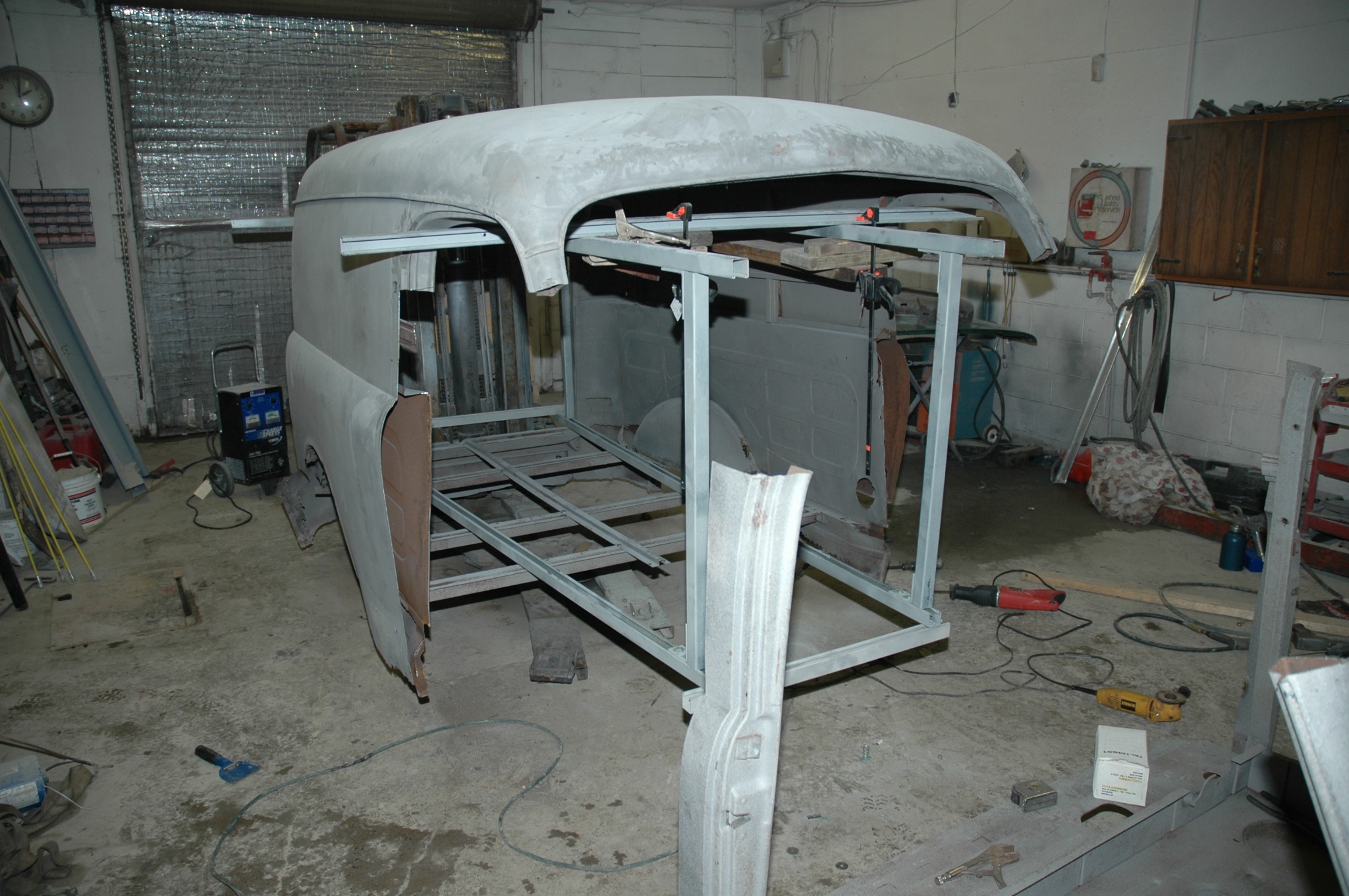
The panel-truck body is ready for its front-end transplant.
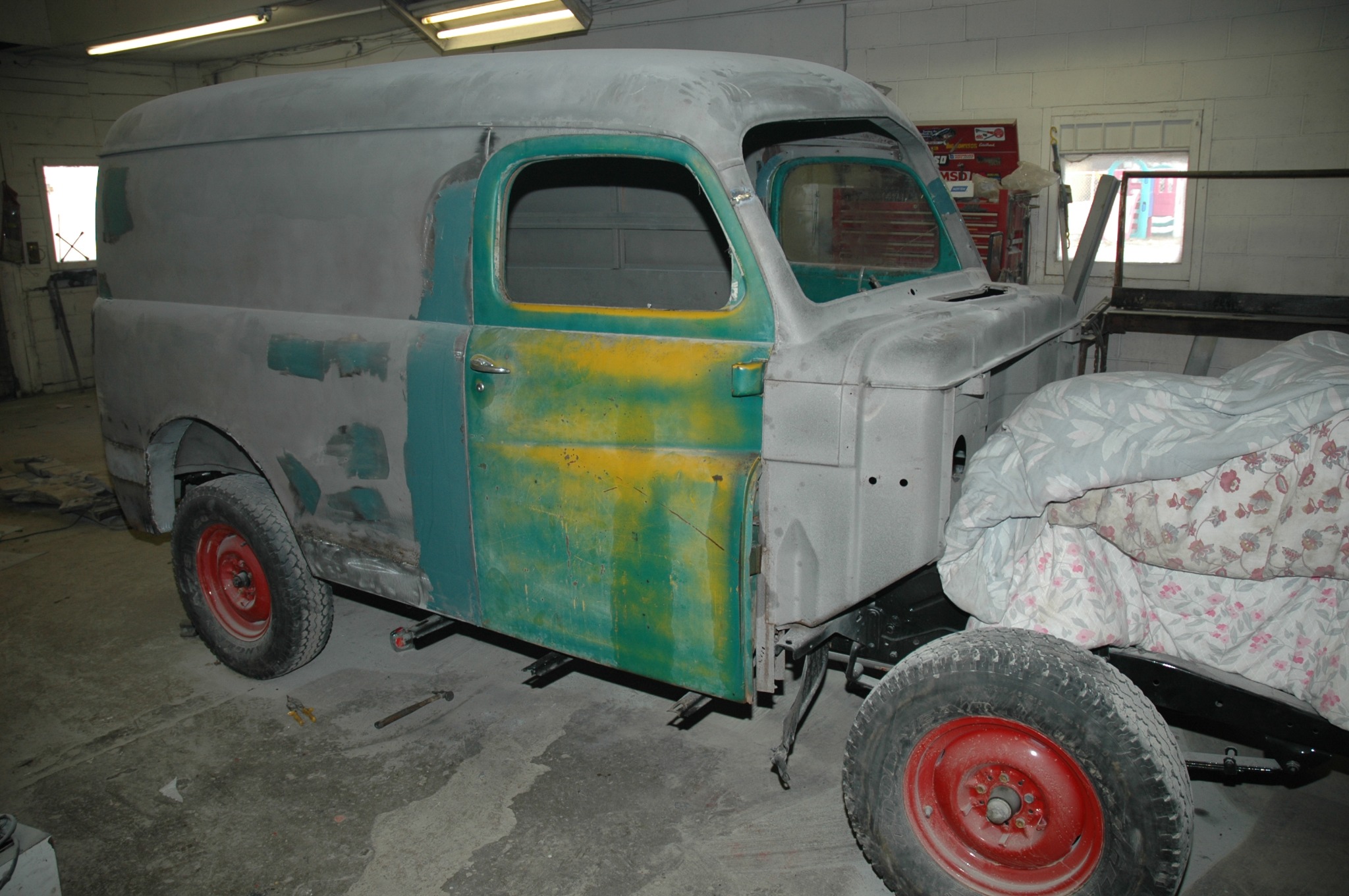
The panel truck and pickup donor have become one, with substantial body work still ahead.
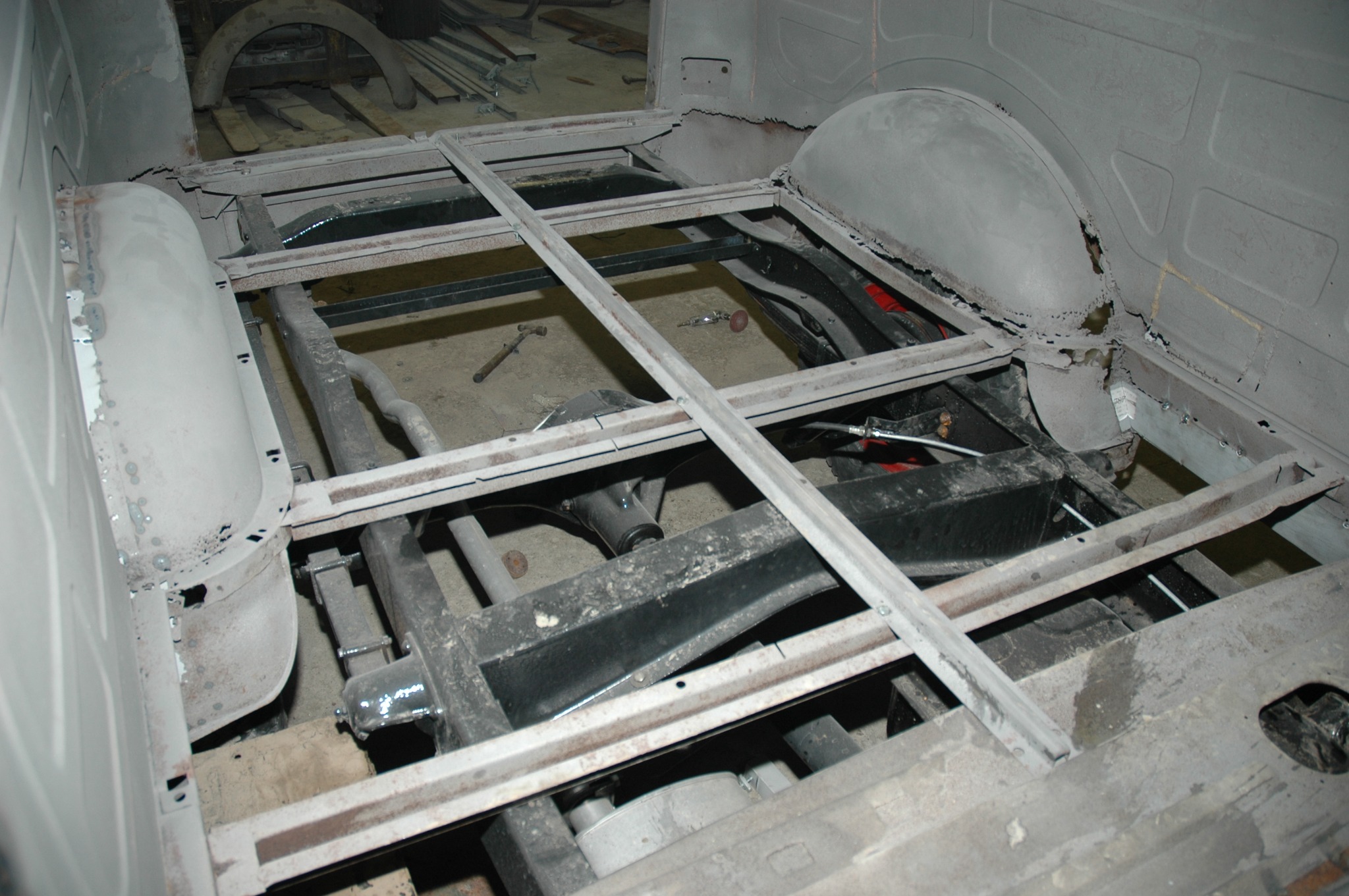
The original rear floor shows how badly deteriorated the truck had become.
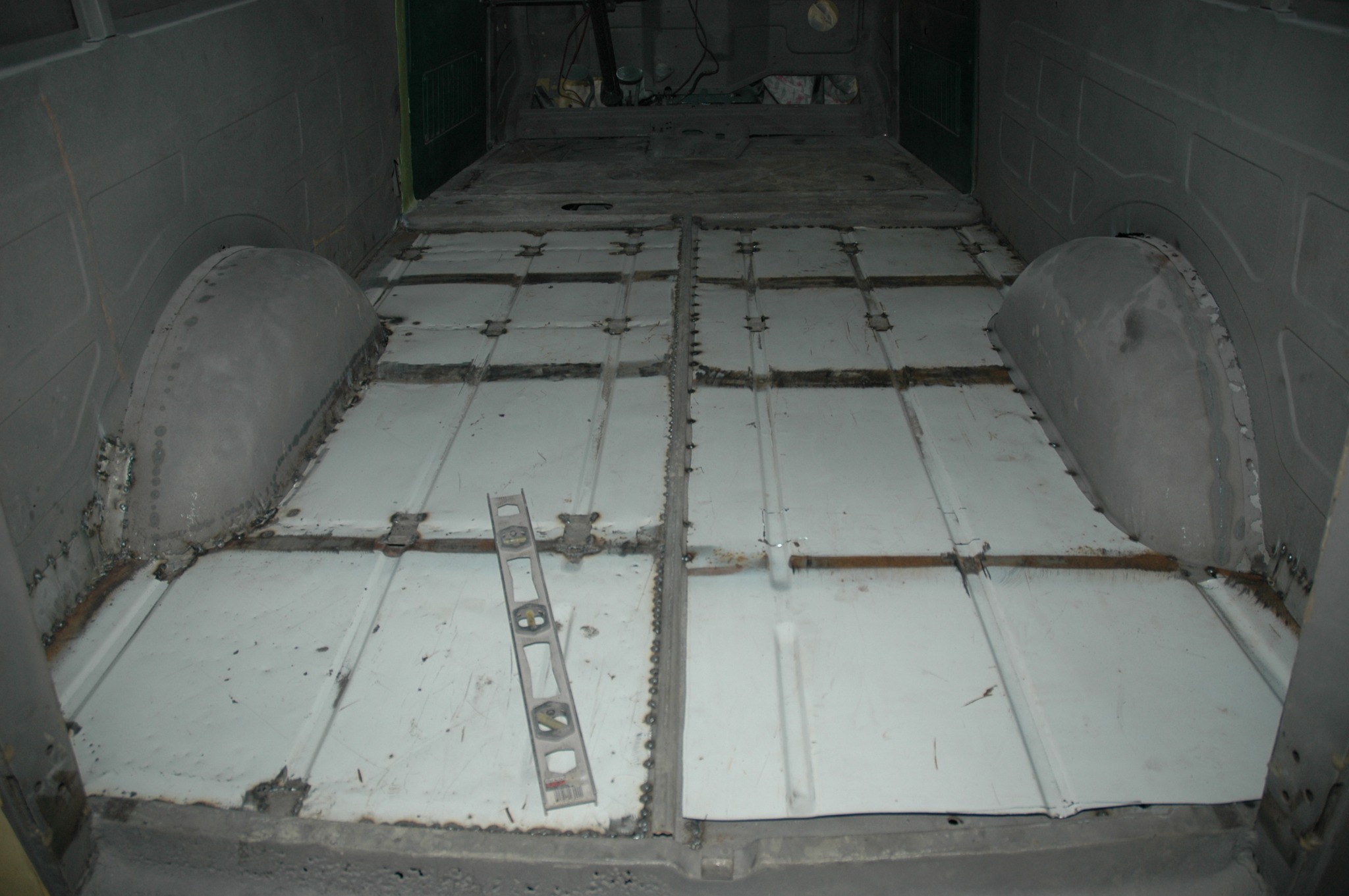
Before the oak floor is installed, the rear is reinforced with a new steel floor.
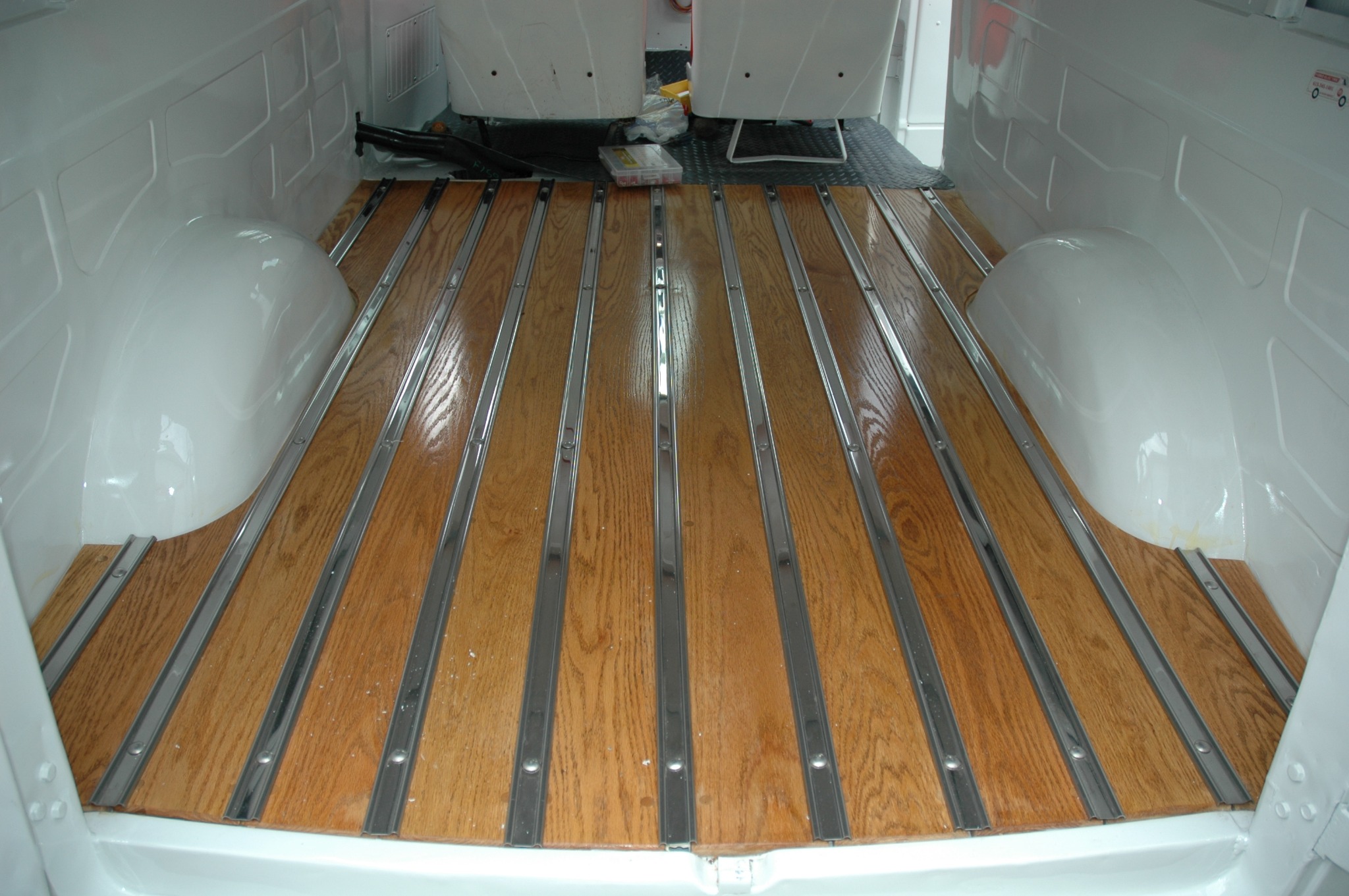
The oak flooring receives its first coat of stain — a dramatic change from only months earlier.
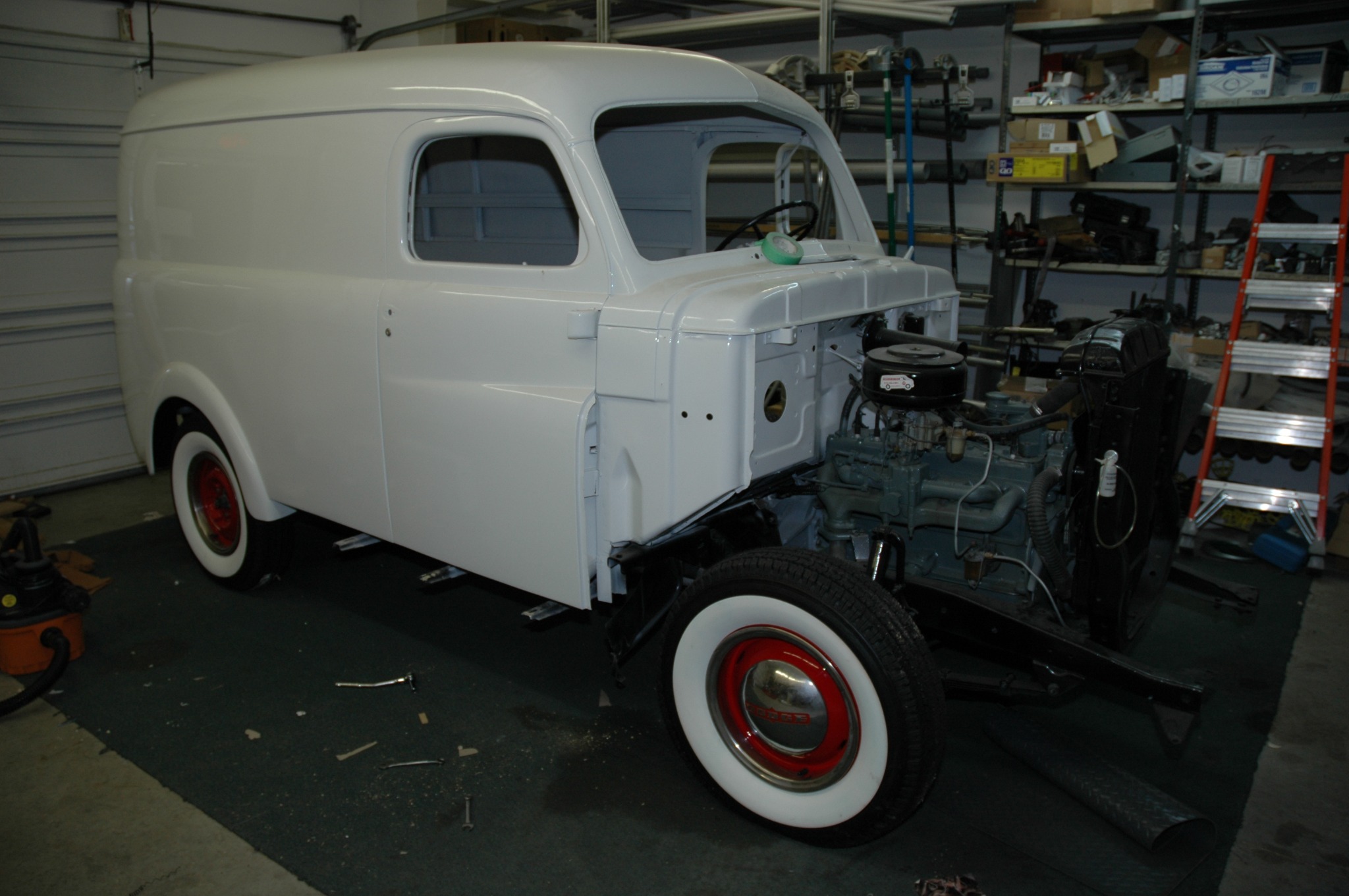
The pieces begin coming back together and the truck finally starts looking whole again.
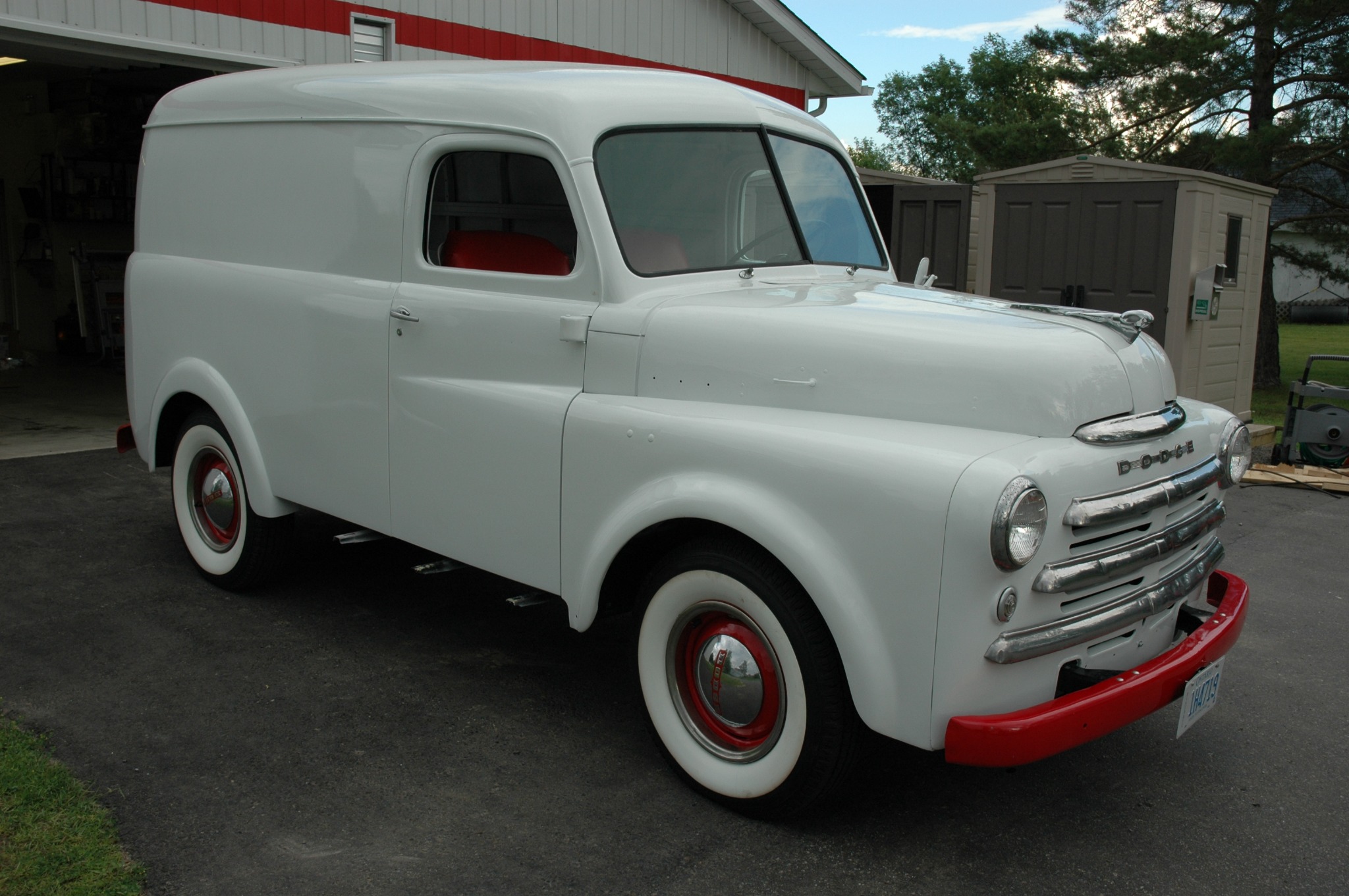
With the front end installed, the restoration really begins to take shape.
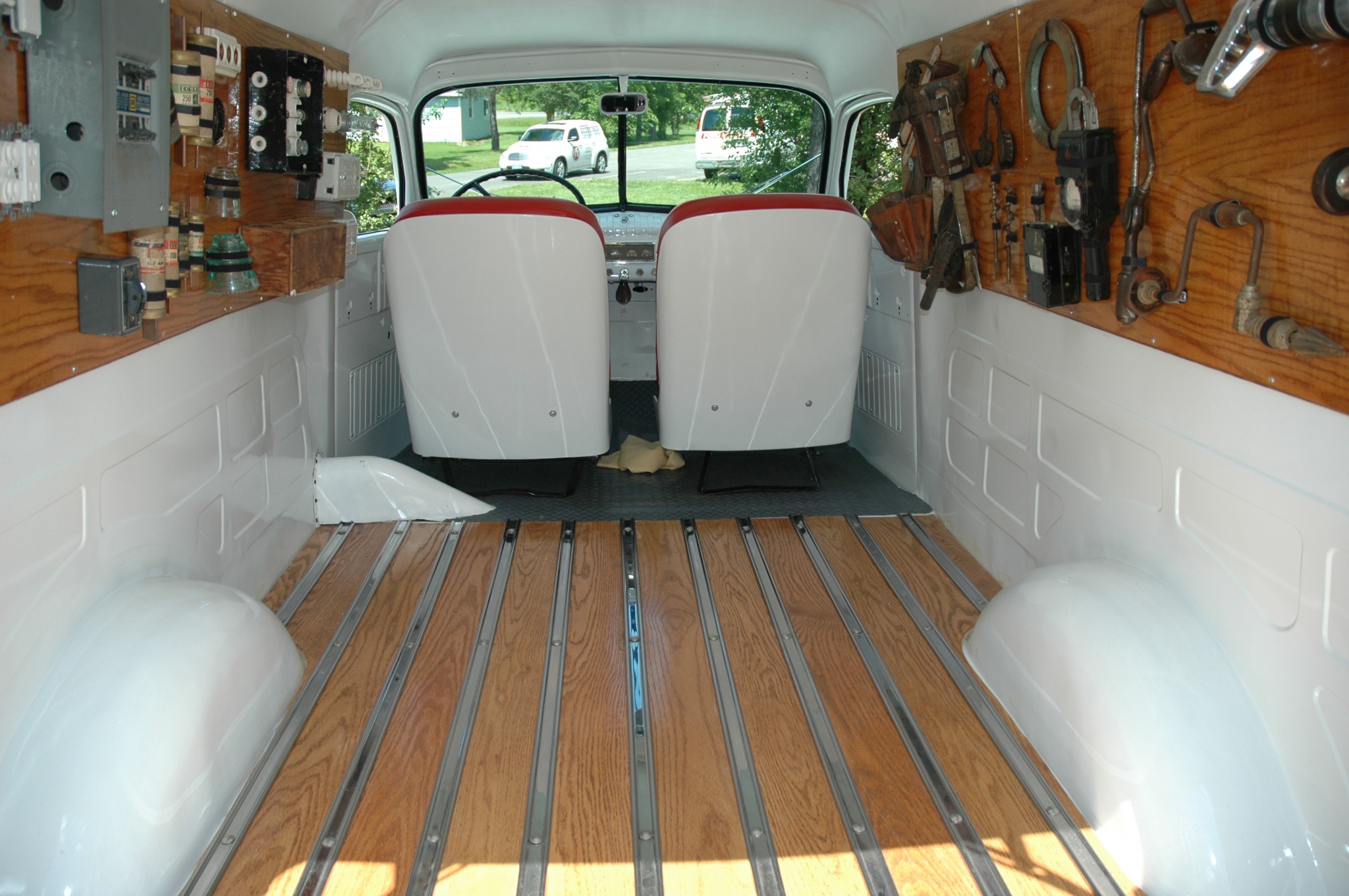
Body finishing and detail work continue as the restored truck moves toward completion.
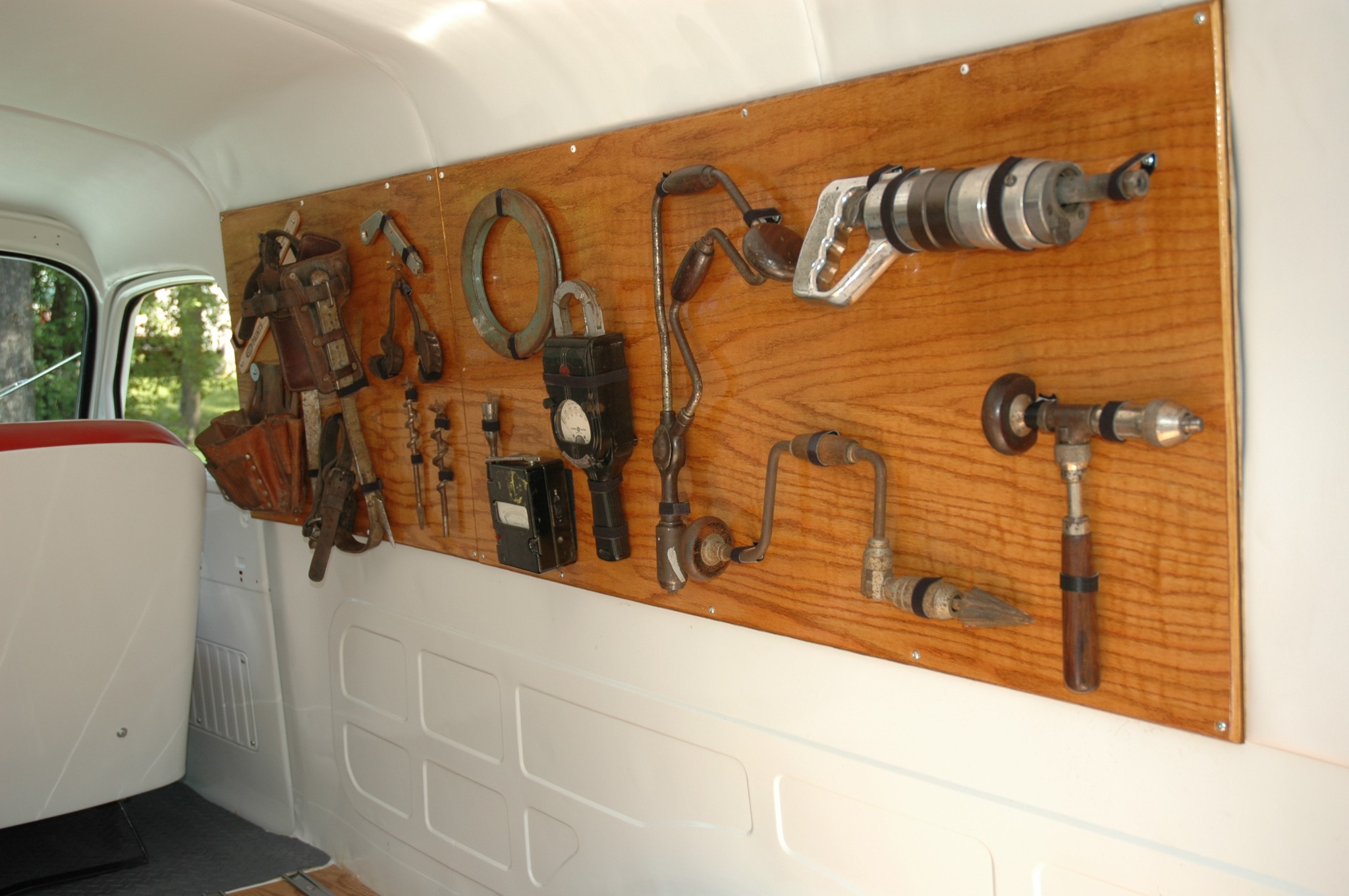
A small museum of tools from the early years of Ford Electric
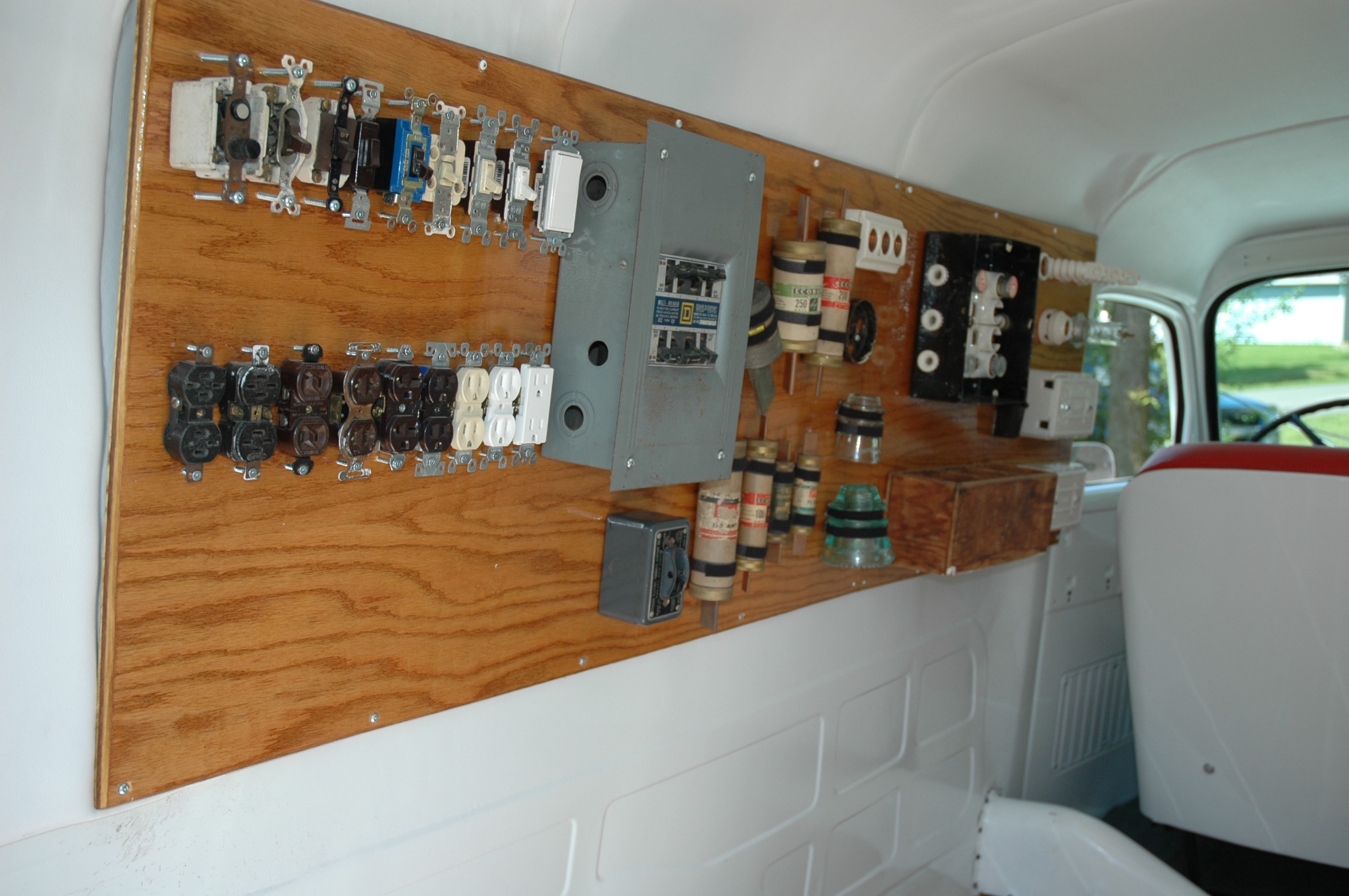
A small museum of old electrical equipment and a travel thru time with switches and receptacles
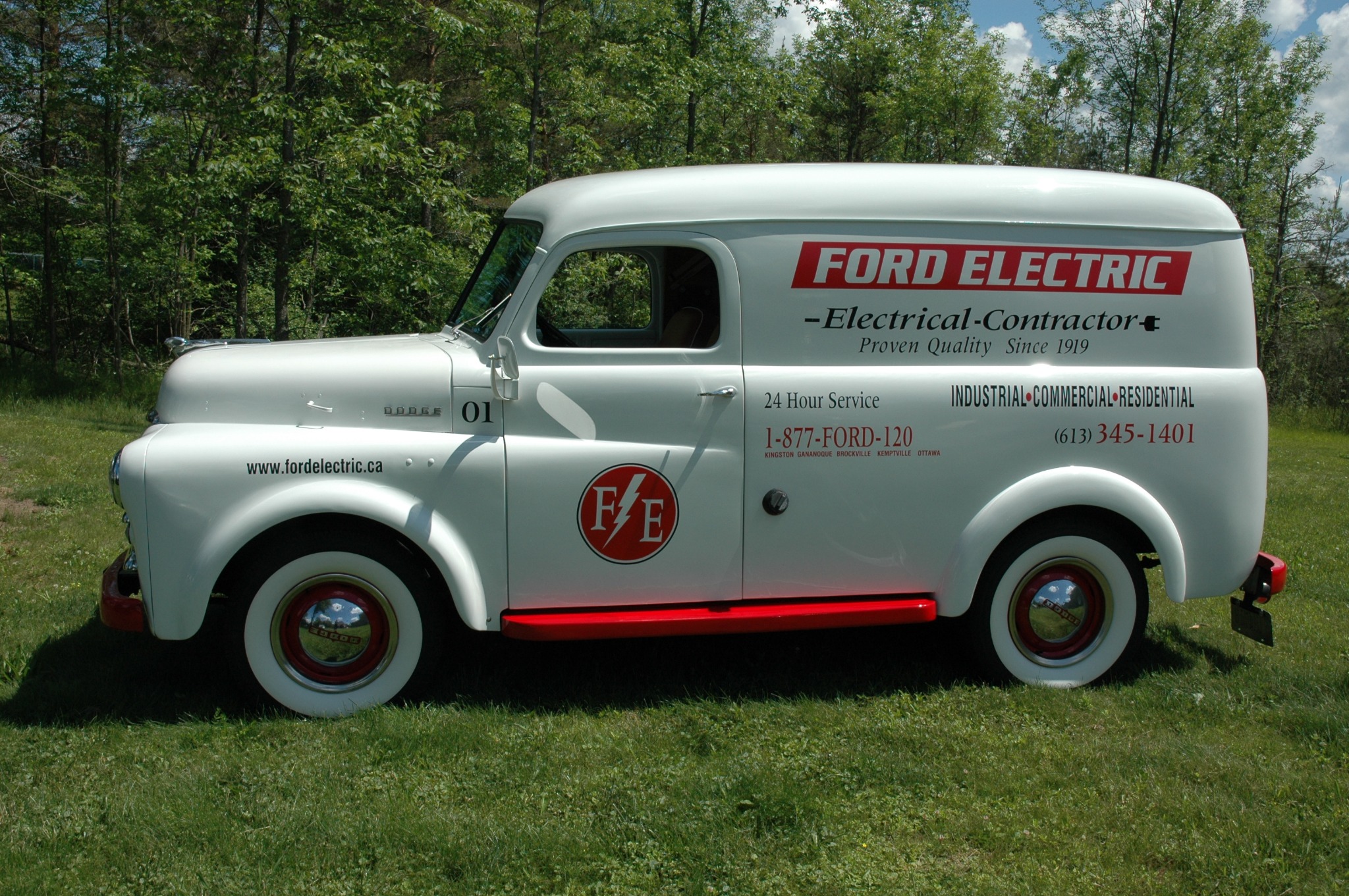
The 1950 Dodge Panel Truck is near completion after an eight-year restoration funded through recycling materials from Ford Electric job sites.
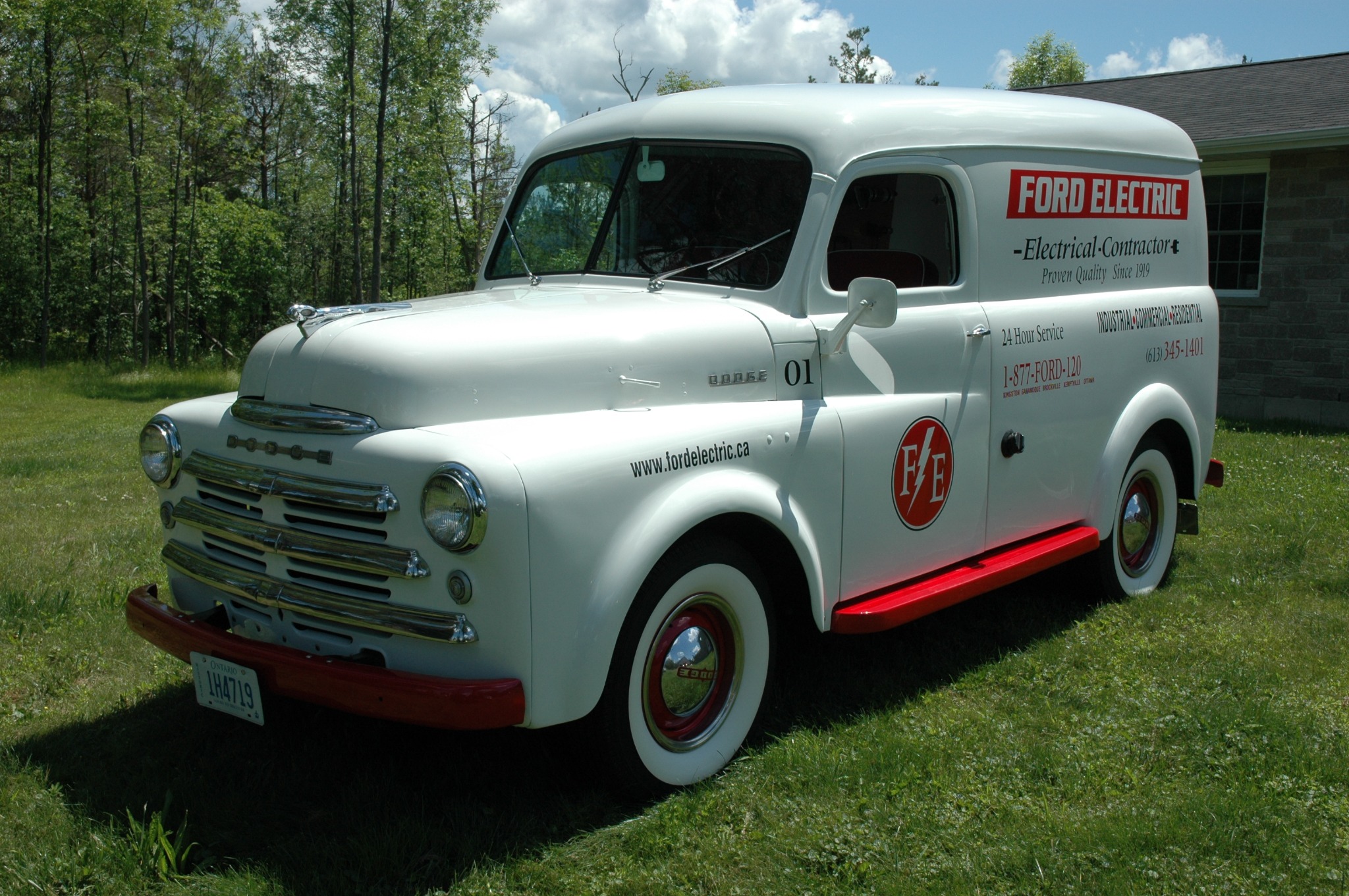
The completed restoration preserves a piece of Ford Electric history and the story of how the trade evolved.
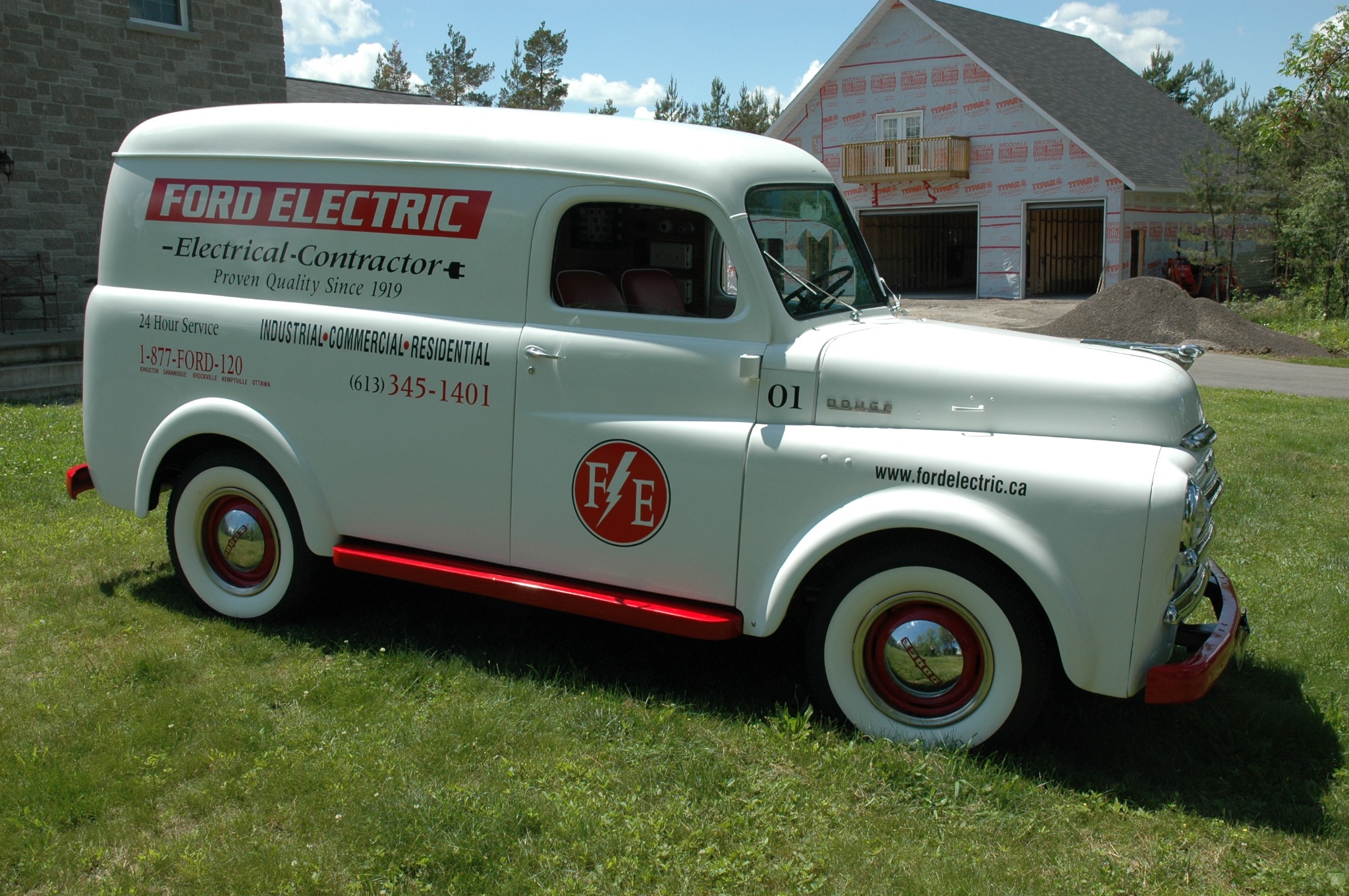
The finished panel truck stands as a rolling link between Ford Electric’s early years and the company today.
The restoration was completed using funds collected through recycling materials from Ford Electric job sites — turning the company’s working history into a restored piece of its heritage.
Tell us about your project or service request.